
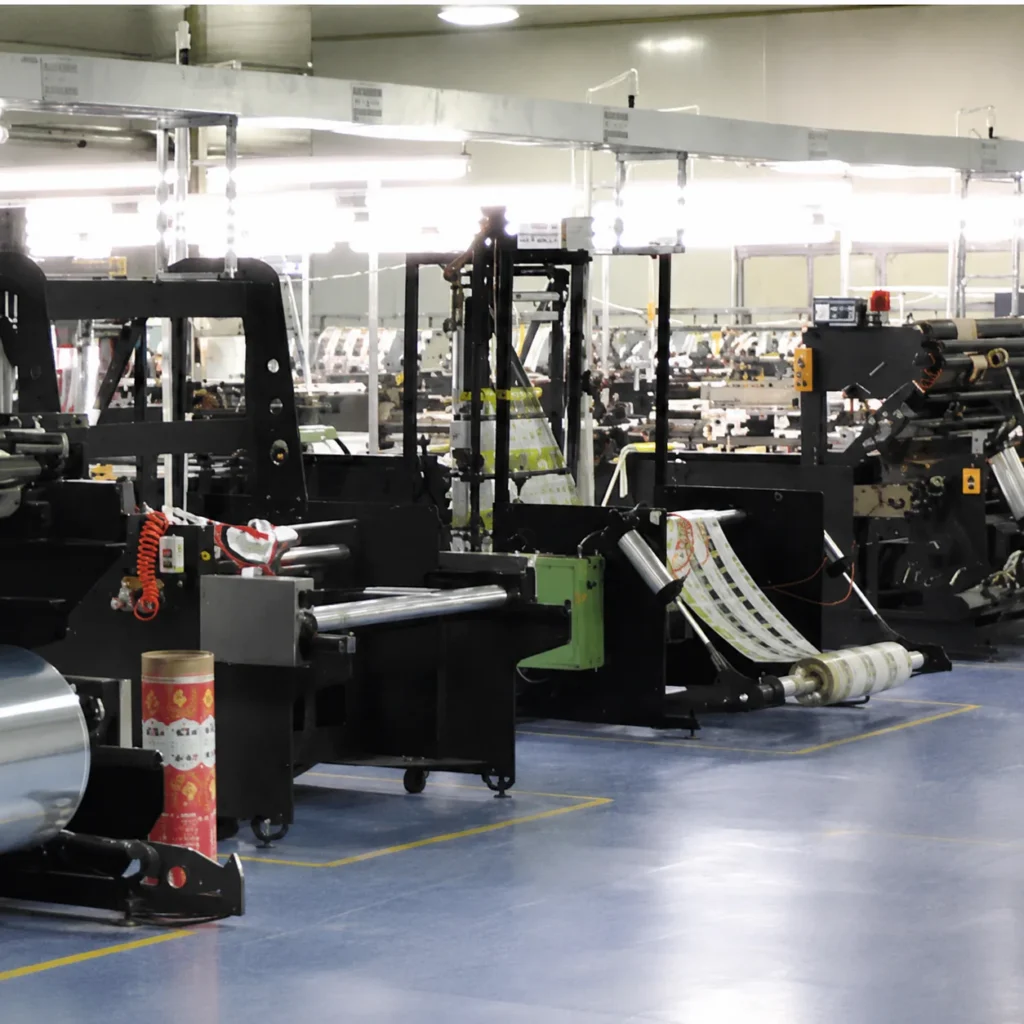
A vacuum storage bag OEM manufacturing process begins before film is produced or a bag-making line is scheduled. The buyer and production team first need a shared definition of the finished product: application, dimensions, material direction, zipper, valve, printing, packaging and quality requirements. Without that foundation, samples, quotations and inspection criteria may describe different products.
This guide follows a practical B2B workflow for importers, distributors, retailers and private-label brands. The exact equipment, sequence and controls may vary by approved product and manufacturing partner. Buyers should confirm every project-specific step before production rather than treating this overview as a fixed factory specification.
OEM Project Requirements
The project brief should identify the intended contents, destination market, sales channel, target bag sizes, set configuration and evacuation method. It should also state whether the program uses transparent bags, printed bags, a pump, retail packaging or another confirmed option. Quantities should be shown by SKU so material, printing and packing assumptions can be reviewed.
Commercial requirements belong in the same brief: target launch timing, sample needs, artwork status, shipping terms and any retailer documentation. ClearNest Pack’s vacuum storage bag manufacturing capabilities page provides context for available processes, while the final scope remains subject to the approved order specification.
Specification Confirmation
A working specification translates the buyer’s concept into measurable product details. It should define dimensions and how they are measured, usable area, film construction, nominal thickness basis, zipper and slider, valve, seal layout, print version, pack count, accessories and carton requirements. Items that are not yet agreed should remain marked for confirmation.
Revision control matters. Give drawings, artwork and packaging files identifiable versions. The quotation, sample request, purchase order and inspection checklist should reference the same approved revision. Buyers developing unusual dimensions or configurations can review custom vacuum storage bag options before finalizing the project brief.
Material Selection
Material selection considers the application, bag format, processing route, handling and expected finished-product performance. PA and PE are often discussed as parts of a multilayer vacuum-bag structure, but the letters alone do not define the finished film. Grade, layer balance, thickness definition and compatibility with printing and sealing also matter.
Buyers should request the proposed construction and review it alongside finished samples. Avoid selecting a material only by the highest thickness number. The PA and PE vacuum storage bag guide explains useful questions for comparing material proposals without inventing a universal recipe.
Film Production and Lamination
Depending on the approved construction, flexible-film production and lamination create the web used for later converting. Lamination combines selected layers so the structure can support printing, handling and sealing requirements. The actual route, adhesive system and processing conditions must be confirmed for the order; they should not be assumed from a general product description.
Production teams monitor the approved material inputs and visible web condition before subsequent stages. Buyers do not need to prescribe unsupported machine settings, but they should require traceability to the approved specification and a change-control process for material substitutions.
Printing
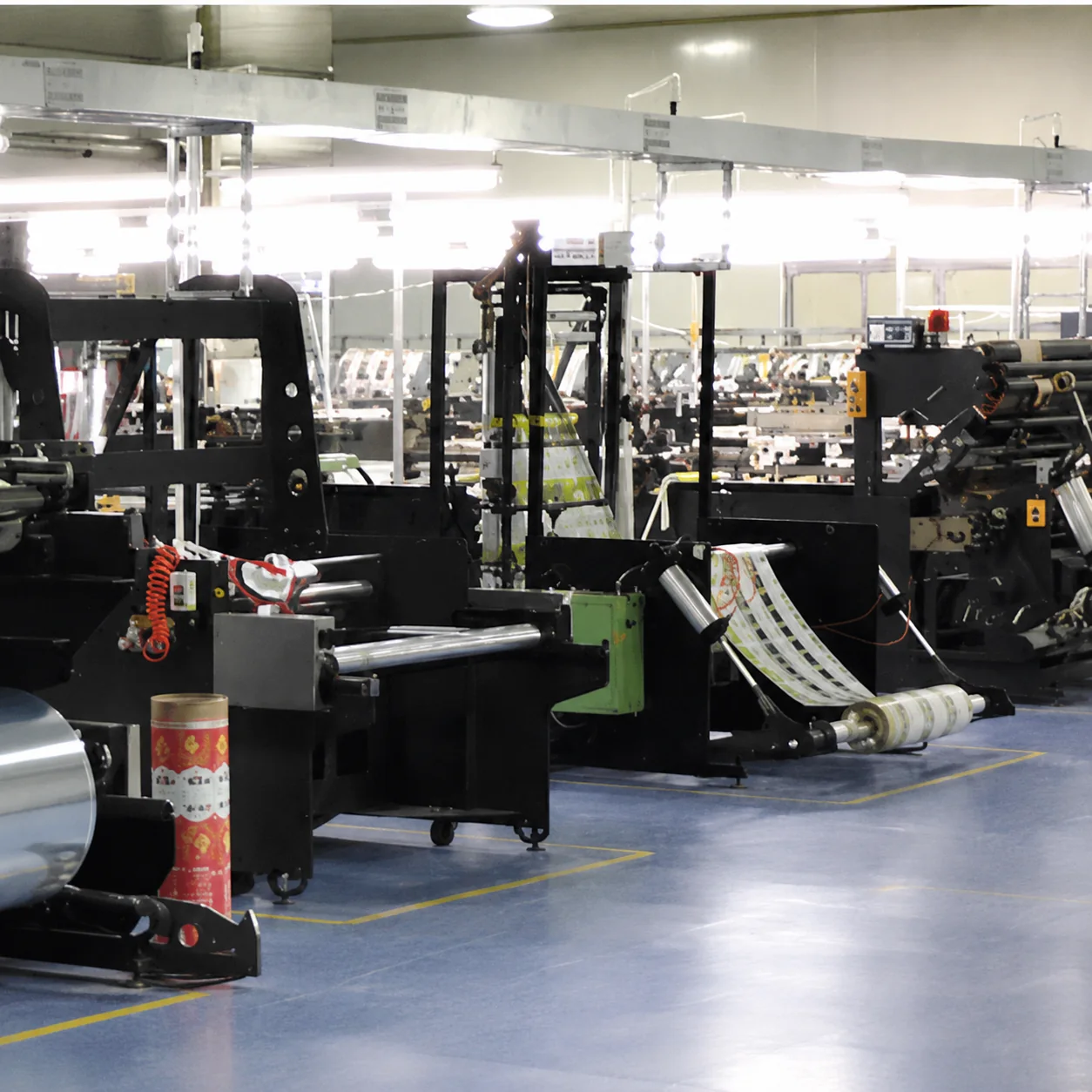
Printed programs require approved artwork, dimensions, print area, color references, orientation and version control. The production method should match the proposed film and order. Proofing and sample approval steps may differ depending on the design, quantity and packaging requirements, so buyers should confirm the route before releasing mass production.
Barcodes, warnings, operating instructions and legal text need buyer review for the destination market. Artwork approval confirms content and placement; it does not replace physical review of the printed product. For commercial options, see printed vacuum storage bags.
Bag Making
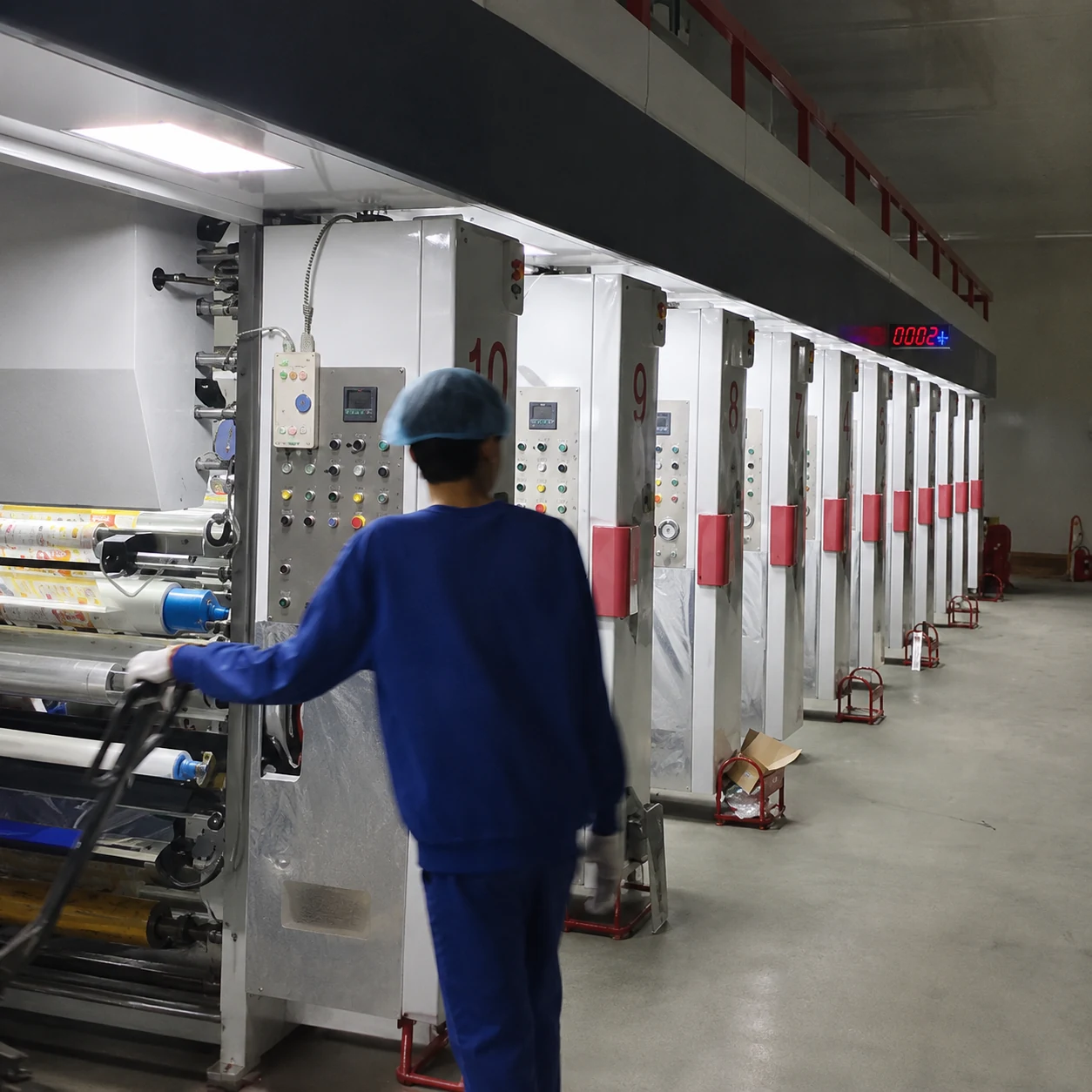
Bag making converts prepared film into the required dimensions and geometry. Cutting, folding, component positions and permanent seals must follow the approved drawing. Tolerances and measurement methods should be agreed in advance, especially when several sizes share one set or artwork family.
Operators and inspectors should have access to the current specification. Early checks can help identify incorrect dimensions, component orientation or print position before a larger quantity is completed. Exact equipment and settings depend on the approved format and are confirmed by the production team.
Zipper and Valve Assembly
The zipper provides the reusable opening, while the valve supports evacuation. Their profiles, positions and attachment areas need to work with the film and intended operating method. Slider fit, zipper-end treatment, valve cap and pump or vacuum-cleaner compatibility should be checked on finished samples.
Component names alone are not enough because similar labels can describe different constructions. Record the approved components by drawing, sample or other traceable reference. The zipper and seal construction guide gives buyers a component-level review framework.
Heat Sealing
Permanent heat seals close the sides, bottom or other parts of the bag according to its design. Seal continuity, corners, folds and the areas around attached components influence the completed enclosure. A reusable zipper that closes correctly cannot compensate for an incomplete permanent seal.
Buyers should define visible workmanship requirements and the functional checks used for the approved SKU. Avoid specifying unverified temperature, pressure or dwell-time numbers; those process settings depend on the selected materials, equipment and bag construction.
QC and Leak Testing
Quality control compares production with the approved specification and sample. Checks may cover dimensions, film condition, closure operation, valve placement, permanent seals, printing, pack count and packaging. Functional evaluation should use an agreed method and representative conditions.
If a bag loses vacuum, inspectors should record where and when the change occurs rather than assuming one cause. The vacuum storage bag leak test guide outlines a structured way to assess film, zipper, valve and heat-seal areas.

Packaging
Packaging protects the folded product and organizes the approved selling unit. Options such as poly bags, inserts, labels, retail boxes, mixed-size sets or pump bundles are available depending on order specifications. Buyers should confirm pack count, folding method, barcode position, artwork, instructions and carton arrangement before production.
Master-carton marks should match shipping and warehouse requirements. Packaging dimensions and set composition also affect carton planning, so they should not remain unresolved until the final stage.
Pre-Production Sample and Approval
A pre-production or otherwise agreed approval sample gives the parties a physical reference for the intended product. The sample should be identified with its specification and artwork versions. Buyers should review dimensions, material direction, components, print, packaging and operating steps together.
Approval should clearly list any open items. A sample that uses provisional packaging or substitute artwork should not silently become the reference for those features. Changes after approval need documented review because they may affect price, timing or performance.
Mass Production
Mass production should begin from the released specification, approved files and confirmed commercial terms. Production scheduling, material preparation, printing, converting, inspection and packing are coordinated for the approved configuration. Lead time is project-specific and must be confirmed rather than copied from an unrelated order.
During production, traceability and change control help keep the output aligned with the approved reference. Pre-shipment inspection should use the current checklist, quantities and defect definitions. Records should identify the order and SKU so repeat orders can be compared consistently.
Buyers should also confirm who can approve deviations and how they will be documented. A verbal change can create mismatches between the physical goods, artwork files and inspection reference.
B2B Buyer Checklist
- Define application, destination market, channel and required SKUs.
- Confirm dimensions, material construction and thickness basis.
- Approve zipper, slider, valve, seal layout and evacuation method.
- Release controlled artwork, instructions, labels and barcode files.
- Confirm packaging, accessories, set composition and carton marks.
- Approve a traceable sample and document all open points.
- Agree inspection methods, defect definitions and acceptance criteria.
- Confirm project-specific MOQ, price basis and production schedule.
- Require written approval for specification or component changes.
Frequently Asked Questions
What information starts an OEM vacuum storage bag project?
Provide the use case, sizes, quantities by SKU, material direction, zipper, valve, printing, packaging, accessories, destination market and quality expectations. Mark unresolved details for confirmation.
Is a pre-production sample always required?
The appropriate approval route depends on the project. Buyers should confirm whether a pre-production sample, printed proof or another traceable reference will be used before mass production.
Can custom printing and packaging be combined?
They can be reviewed as one private-label program when compatible with the order. Availability, MOQ, artwork requirements and approval steps depend on order specifications and must be confirmed before production.
How are zipper and valve options approved?
Use drawings, component references and finished samples, then verify closure operation and evacuation compatibility with the intended method. Avoid relying only on generic component names.
What should OEM quality control include?
Checks should reflect the approved product and may cover dimensions, material condition, zipper, valve, permanent seals, printing, packaging and agreed functional tests.
How should buyers control changes during production?
Require written review before changing materials, components, dimensions, artwork or packaging. Update the specification, sample reference and inspection checklist when an approved change affects them.
Build the OEM Process Around One Approved Specification
A reliable custom vacuum bag production program keeps the brief, quotation, sample, artwork, purchase order and QC checklist aligned. To discuss an OEM or private-label project, request a quote with the intended sizes, materials, components, printing, packaging and quantities.